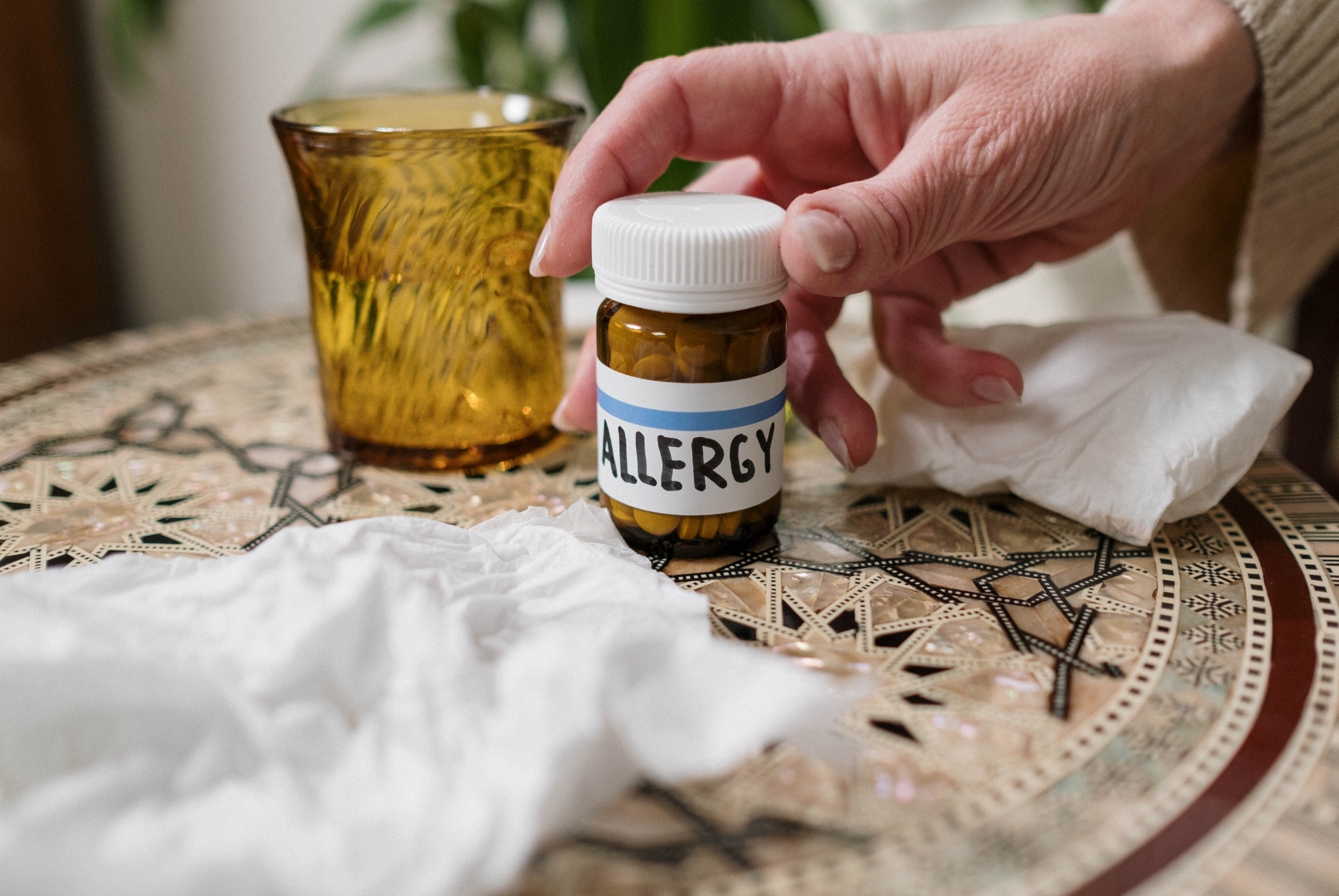
If you have allergies, chances are your medicine cabinet has a familiar lineup: antihistamines, nasal sprays, eye drops, and maybe a few emergency tissues thrown in for good measure.
And while allergy medication can absolutely play an important role in managing symptoms, there's a bigger question worth asking: Why are we waiting for the allergic reaction to happen in the first place?
For many allergy sufferers, the typical routine is simple. An allergen enters the body, the immune system reacts, symptoms appear, and medication steps in to calm things down. But that approach focuses on the reaction—not necessarily the source.
There's another way to think about allergy management: reduce the allergens before they have a chance to trigger you.
The Problem With Treating Symptoms After They Start
Antihistamines work by blocking histamine, one of the chemicals responsible for many allergy symptoms. That can mean less sneezing, itching, runny noses, and watery eyes after exposure.
But there's a catch: the allergen itself is still there.
If your cat is lying on the couch, for example, cat allergens can remain on the furniture and circulate through your home. Taking an antihistamine may make the resulting symptoms easier to tolerate, but it doesn't remove the allergen from your surroundings.
That means the same cycle can repeat day after day: exposure, reaction, medication, repeat.
For people dealing with allergies regularly, especially indoors, it makes sense to consider an approach that addresses exposure itself—not just the symptoms that follow.
Can You Build Up a Tolerance to Allergy Medication?
You may have noticed something frustrating: the medication that seemed like a miracle a few years ago doesn't always feel as effective now.
There is some nuance here. A true "tolerance" to modern oral antihistamines isn't inevitable, and medications can stop seeming effective for many different reasons, including changes in allergy exposure, worsening symptoms, or simply the fact that a particular medication isn't the best match anymore.
Some allergy medications can also cause problems when used incorrectly or for too long. For example, certain decongestant nasal sprays can cause rebound congestion when overused.
The bigger takeaway isn't that allergy medication "stops working" for everyone. It's that medication isn't necessarily the only tool you need—especially when the allergen remains in your environment.
If you're taking allergy medication regularly and feel like it's no longer controlling your symptoms, talk with a healthcare professional before changing or stopping your treatment.
What If You Could Target the Allergen Instead?
This is where allergen management becomes interesting.
Instead of waiting until your immune system reacts, a proactive approach focuses on reducing the allergen itself.
Think about it like cleaning up a spill. You can keep mopping the floor every time someone steps through it—or you can address where the water is coming from.
1. Start With Your Environment

One of the simplest ways to manage allergies is also one of the most overlooked: reduce your exposure to the allergen.
If dust mites trigger your allergies, regularly washing bedding and reducing dust buildup can help. If you're allergic to pets, keeping allergen-heavy surfaces clean can make a difference. Vacuuming carpets, washing fabrics, and cleaning furniture can all be part of an allergy-conscious routine.
The problem is that allergens can be surprisingly difficult to eliminate completely.
Pet allergens can settle into carpets, couches, bedding, and other surfaces throughout the home. Even after cleaning, allergen particles can remain behind.
That's why environmental management is best viewed as an ongoing part of allergy care rather than a one-time deep clean.
2. Consider Allergy Immunotherapy

If your allergies are persistent, another option to discuss with an allergist is allergy immunotherapy.
Unlike an antihistamine, which works to relieve symptoms, immunotherapy is designed to gradually change the immune system's response to specific allergens. Depending on the allergen and treatment plan, this can involve allergy shots or other forms of allergen immunotherapy.
It's not an overnight solution. Immunotherapy requires a significant time commitment and isn't appropriate for everyone, but for some people with specific allergies, it can provide a longer-term approach to managing symptoms.
If your allergies continue to interfere with your daily life despite other treatments, an allergist can help determine whether immunotherapy makes sense for you.
3. Neutralize the Allergen

What if you could target the allergen before your body reacts to it? That's the idea behind Pacagen.
Rather than changing your body's response to an allergen, Pacagen's allergen-neutralizing sprays are designed to target allergens directly in your environment. Its products include sprays for cat, dog, and dust mite allergens.
For example, Pacagen's Cat Allergen Neutralizing Spray uses WhiskerBlock™ technology to target Fel d 1, a major cat allergen. The spray can be used on areas where allergens accumulate, including couches, carpets, and pet bedding. Pacagen states that its cat spray can neutralize up to 98% of airborne cat allergens.It's a fundamentally different approach from taking a pill after symptoms appear.
Instead of asking your body to tolerate the allergen, you're reducing the allergen itself.
The Best Approach May Be a Combination
Choosing an allergen-neutralizing spray doesn't mean you have to throw away your allergy medication.
For people with significant allergies, medications prescribed or recommended by a healthcare professional can remain an important part of treatment. But environmental allergen reduction can complement those strategies by reducing the amount of allergen you're exposed to in the first place.
Think of it as a two-part approach:
Medication: Helps manage your body's response to allergens.
Allergen management: Helps reduce the allergens you're exposed to.
A Better Allergy Routine Starts Before the Sneezing
Allergies don't have to be a constant cycle of waiting for symptoms, reaching for a pill, and hoping it lasts.Start by figuring out what's triggering you. If it's a pet, focus on the rooms, furniture, bedding, and surfaces where that allergen accumulates. If dust mites are the problem, pay particular attention to bedrooms, mattresses, pillows, carpets, and upholstered furniture.
Then add proactive allergen control to your routine.Regular cleaning can help. So can washing bedding, improving ventilation, and minimizing allergen buildup. And for indoor allergens that are difficult to completely eliminate, an allergen-neutralizing product like Pacagen can be another tool in your routine.
Because sometimes the best way to deal with an allergy isn't simply to ask, "What can I take when I start sneezing?"
It's to ask, "What can I do to stop the allergen from getting to me in the first place?"
Conclusion
Allergy medication can be useful—and for some people, it's an essential part of managing allergies. But relying exclusively on symptom relief doesn't address the allergens lingering in your home.
A proactive strategy can help reduce your overall exposure while medication manages symptoms when necessary.