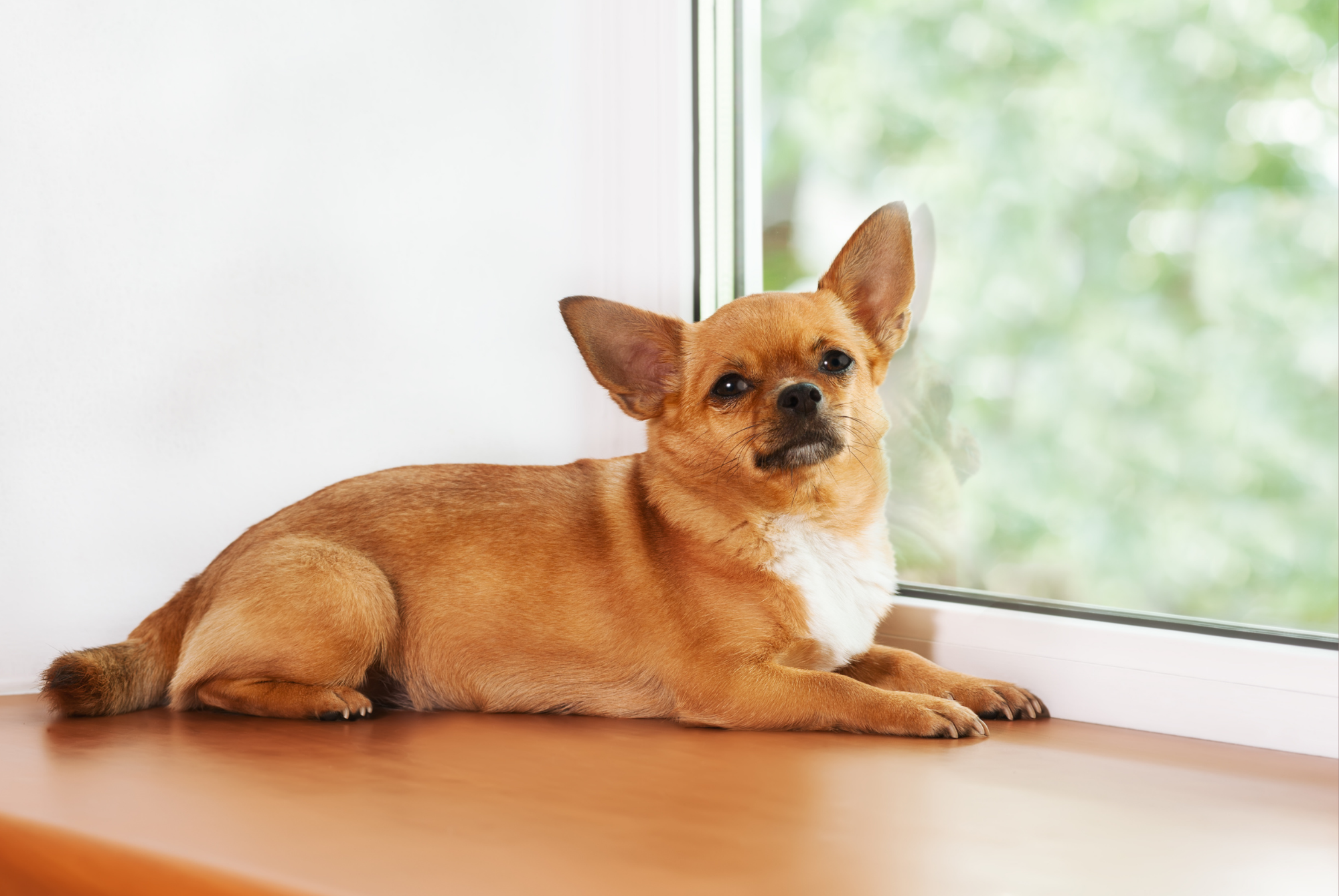
When your allergies start acting up at home, opening a window can seem like the easiest fix.
Fresh air comes in. Stale air goes out. Your home feels better.
But if you live with a cat or dog, it's not always that simple.
Opening your windows can improve ventilation and help move indoor pollutants out of your home. But depending on what's happening outside, you could also be letting pollen, mold spores, and other airborne allergens inside.
So what should you actually do?
Keep the windows open—or keep them closed?
The answer depends on what's triggering your allergies and what's happening both inside and outside your home.
First, What Actually Causes Pet Allergies?
Before talking about windows, it helps to understand what you're actually reacting to.
Pet allergies aren't caused by fur itself.
They're usually caused by proteins found in a pet's saliva, skin flakes, and urine. In cats, the primary allergen is Fel d 1. Dogs produce several allergens, including Can f 1.
These allergens are extremely small.
They can become airborne, settle into carpets and upholstery, collect on bedding and furniture, and even travel around your home on clothing.
That's why opening a window doesn't necessarily solve the problem.
It may change what's floating around in the air, but it doesn't remove the allergens that have already settled throughout your home.
Can Opening a Window Help With Allergies?
Sometimes.
Opening a window increases ventilation, which can help replace stale indoor air with outdoor air.
If your home feels stuffy or contains indoor pollutants, better ventilation can certainly be useful.
But there's one big thing to remember:
Outdoor air isn't automatically clean air.
Pollen, mold spores, and other biological particles can enter your home through open windows and doors.
So while you're letting fresh air in, you may also be letting new allergy triggers in with it.
For someone dealing with both pet allergies and seasonal allergies, that can make things complicated.
When Opening Your Windows Could Make Allergies Worse
There are certain situations where keeping the windows open may actually work against you.
1. When Pollen Counts Are High
Trees, grasses, and weeds release pollen at different times throughout the year.
On high-pollen days, an open window gives those particles a direct path into your home.
And once pollen gets inside, it can settle on floors, furniture, bedding, and other surfaces.
If you're already dealing with pet allergens, adding another source of allergens to the environment may make symptoms more difficult to manage.
2. When Outdoor Mold Is a Problem
Pollen isn't the only thing that can come through an open window.
Outdoor mold spores can also become airborne and enter your home.
Damp weather, wet leaves, and decaying vegetation can create conditions where mold spores become more prevalent.
If mold is one of your allergy triggers, opening the windows during these conditions may not be doing you any favors.
3. When Pet Allergens Are Already Built Up Indoors
This is the part that's easy to miss.
Opening a window only changes the air.
It doesn't remove the allergens already sitting on your couch.
Pet allergens can accumulate on carpets, rugs, upholstery, curtains, mattresses, bedding, and other surfaces around the home.
Even if ventilation helps reduce some airborne particles, the surfaces around you can continue acting as a source of exposure.
That's why opening a window shouldn't be viewed as a way to "flush out" all of the pet allergens in your house.
When Is It Better to Keep Your Windows Closed?
If outdoor allergens are a major problem for you, keeping your windows closed during high-pollen periods can help reduce how much pollen enters your home.
For many people with seasonal allergies, using air conditioning instead of opening windows during peak pollen periods can be a more controlled approach.
But that doesn't mean you need to keep every window closed year-round.
Timing matters.
A low-pollen day can be very different from a hot, windy afternoon when pollen levels are high.
Instead of asking, "Should I always open my windows?" it may be more useful to ask:
"What am I letting into my home right now?"
What About Air Purifiers?
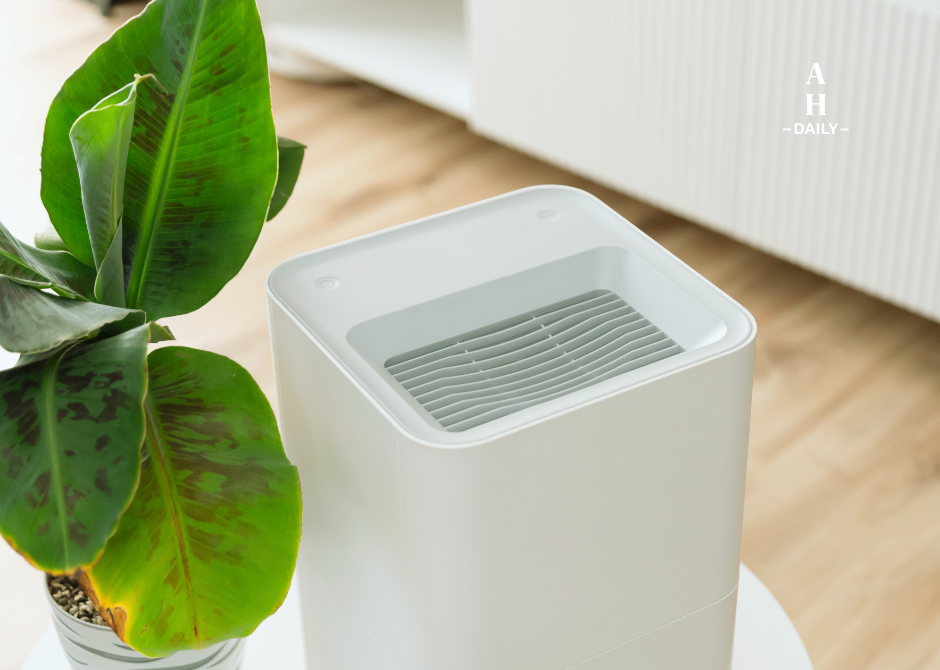
If your goal is cleaner indoor air, an air purifier gives you a little more control over what's circulating inside.
A properly sized HEPA air purifier can capture many airborne particles, including some airborne pet allergens.
That's especially useful in rooms where you spend a lot of time, such as the bedroom or living room.
But there's an important limitation:
An air purifier works on airborne particles—not every allergen that's already settled on a surface.
Think of it as one part of your allergy-management strategy rather than a complete solution.
What Else Can You Do About Pet Allergens?
If you live with a cat or dog and experience allergy symptoms, managing the environment usually requires more than just opening or closing a window.
1. Filter the Air
A HEPA air purifier can help capture airborne particles and may reduce the amount of allergen circulating through the room.
Place it in areas where you spend the most time.
Your bedroom can be particularly important because you spend several hours there every night.
2. Vacuum Regularly
Pet allergens can accumulate in carpets, rugs, upholstery, and dust.
Regular vacuuming can help reduce that buildup.
A vacuum with HEPA filtration can also help limit the amount of allergen-containing dust that gets redistributed into the air.
3. Wash Pet Bedding
Your pet's bed can collect hair, skin flakes, saliva, and allergens.
Regularly washing bedding can help keep that buildup under control.
4. Keep Your Bedroom as Low-Allergen as Possible
If you're allergic to your pet, your bedroom is one area worth prioritizing.
Keeping your pet out of the bedroom, washing bedding regularly, and limiting fabrics that trap allergens can help reduce your overnight exposure.
After all, spending eight hours in a room with accumulated allergens isn't exactly ideal.
5. Clean More Than Just the Floor
It's easy to focus on what's visible.
But pet allergens don't just sit on the floor.
They can settle on:
- Sofas
- Curtains
- Rugs
- Bedding
- Upholstered chairs
- Shelves
- Other household surfaces
Regular cleaning can help reduce the amount of allergen that accumulates throughout the home.
So... Should You Open Your Windows?
It depends.
If outdoor pollen and mold levels are low, opening your windows can be a simple way to improve ventilation.
But when pollen counts are high—or when outdoor mold is a problem—keeping your windows closed may be the better choice.
And if your biggest concern is pet allergens already inside your home, opening a window shouldn't be your only strategy.
Here's the easiest way to think about it:
An open window changes the air. It doesn't necessarily remove the allergen.
If allergens are already sitting on your furniture, bedding, carpets, and other surfaces, ventilation alone won't eliminate them.
The Bottom Line
There's nothing wrong with wanting fresh air in your home.
But if you have pet allergies, "just open a window" isn't a complete allergy-management strategy.
On a low-pollen day, opening your windows may help improve ventilation and make your home feel fresher.
During high-pollen or high-mold conditions, however, that same open window could introduce more allergens into your indoor environment.
The better approach is to look at the bigger picture.
Control what comes inside. Filter the air. Clean allergen-prone surfaces. Wash pet bedding. And pay attention to where allergens are accumulating in your home.
And if your symptoms continue despite your efforts—or are severe enough to interfere with everyday life—consider talking with an allergist. Allergy testing can help identify your specific triggers and give you a more personalized plan for managing them.
Because living with a pet shouldn't mean choosing between fresh air and your furry friend.
It should mean finding a way to make your home more comfortable for both of you.
Consider Allergen-Neutralizing Solutions
While managing ventilation and cleaning are important, you can also take a more direct approach to reducing pet allergens in your home.
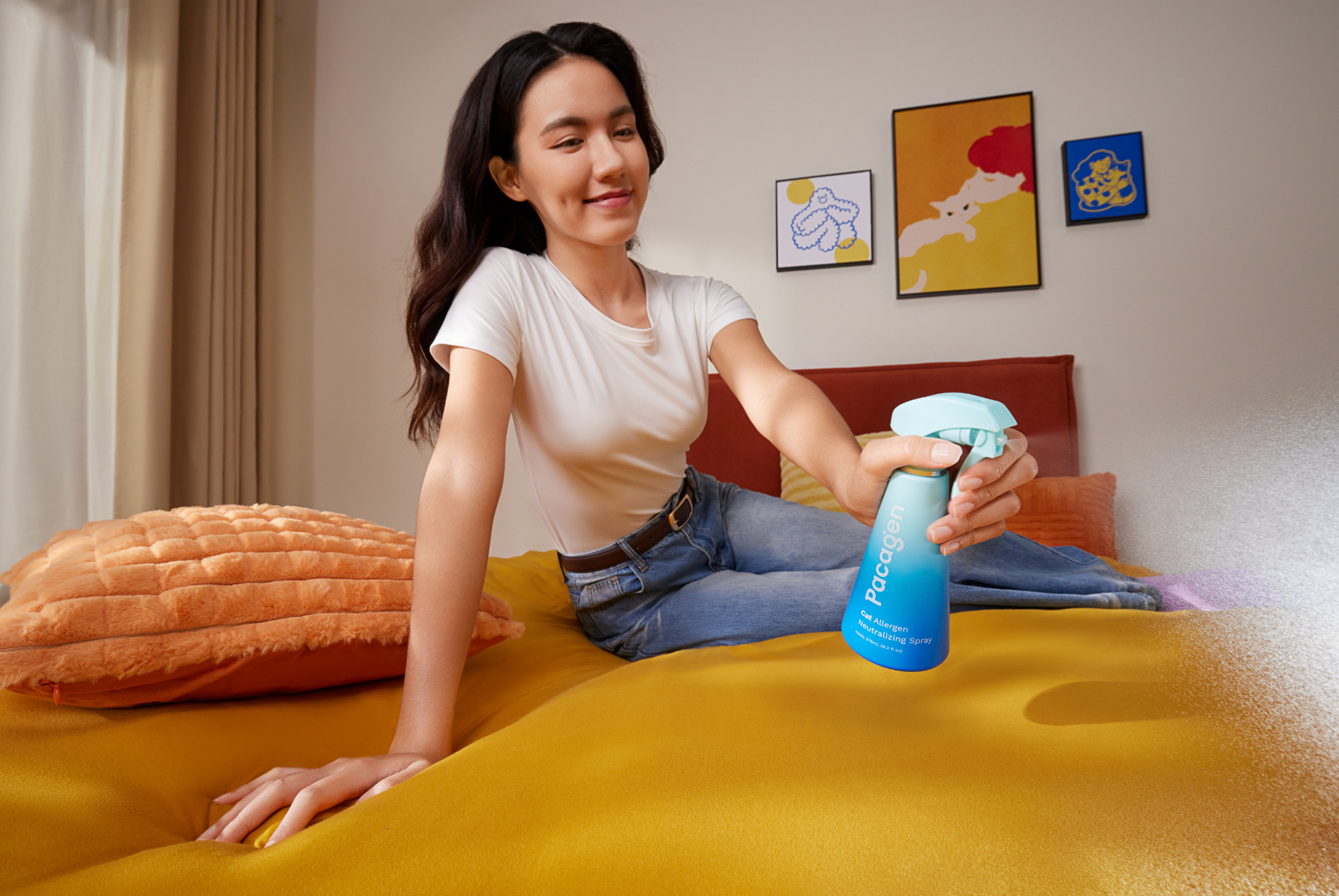
Pacagen offers allergen-neutralizing sprays designed to target pet allergens at the source.
Rather than just filtering the air or masking symptoms, Pacagen's sprays use WhiskerBlock™ technology to neutralize cat allergens like Fel d 1, and similar technology for dog allergens.
These sprays can be applied to furniture, bedding, carpets, and other surfaces where pet allergens accumulate—helping reduce your exposure before symptoms start.
It's a proactive approach that works alongside ventilation and cleaning to create a more comfortable home environment.