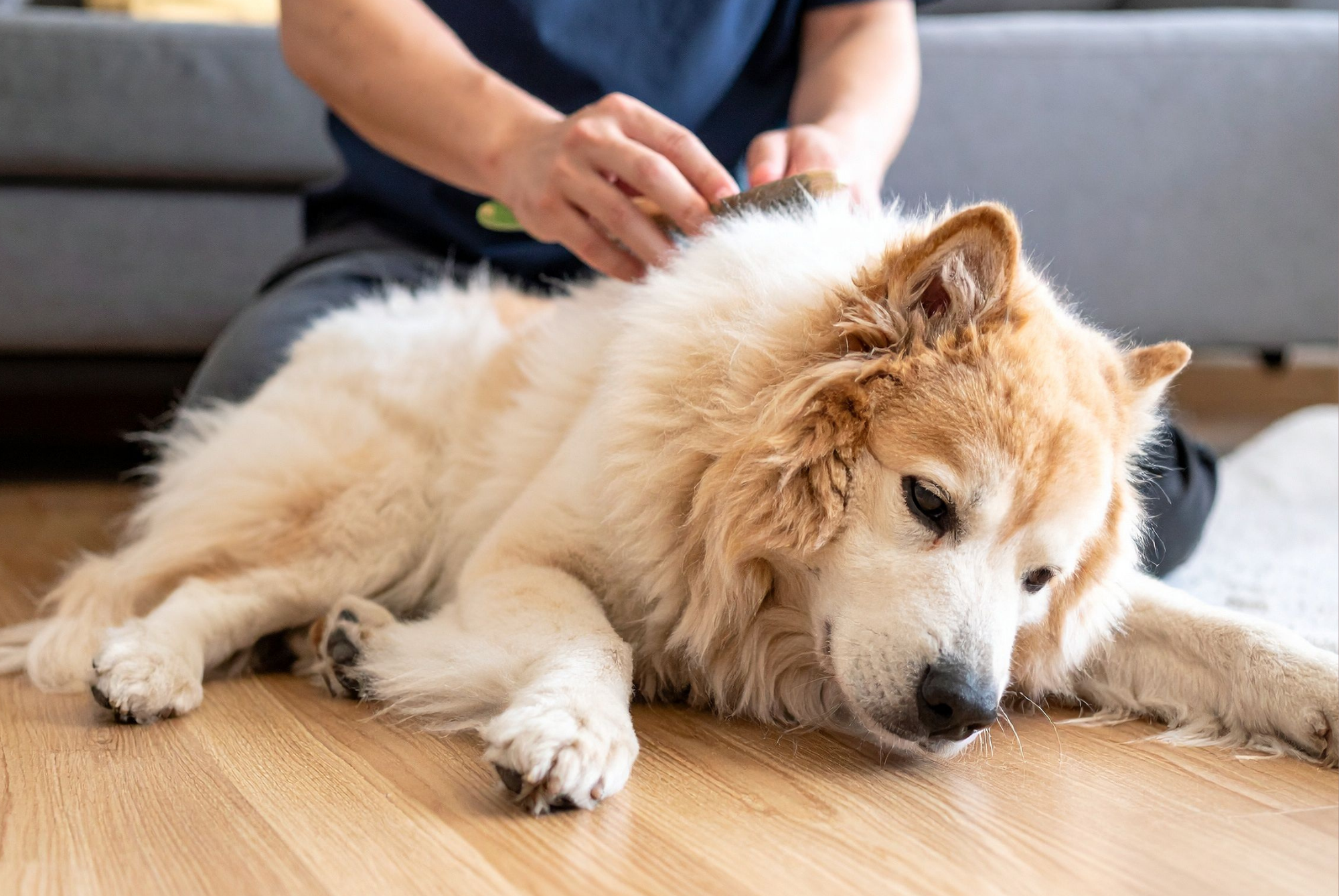
If you have pet allergies, brushing your dog or cat can feel like one of those chores that should obviously help.
Less fur around the house. Less shedding. Less dander on the couch.
Problem solved, right?
Not exactly.
Regular grooming can be an important part of managing pet allergens, but it is only one piece of the puzzle. The reason is simple: pet allergies aren't caused by fur alone.
For dogs and cats, allergens can come from proteins found in saliva, skin, urine, and other secretions. In cats, for example, Fel d 1 is a major allergen that gets transferred to the coat when cats groom themselves. From there, it can spread through hair, dander, dust, furniture, clothing, and other surfaces around the home.
So, can brushing help?
Yes—but probably not in the way you think.
What Actually Causes Pet Allergies?
Before talking about grooming, it helps to understand what you're trying to get rid of.
When people say they're allergic to "pet hair," they're usually talking about the reaction they experience when they're around a pet. But the hair itself is often just a carrier.
With cats, it's often Fel d 1
Fel d 1 is one of the primary allergens responsible for cat allergy symptoms. Cats produce it naturally, and when they groom themselves, the protein gets deposited onto their fur and skin.
As the cat sheds, those allergen-coated hairs and tiny particles can make their way into the surrounding environment.
With dogs, there isn't just one allergen
Dog allergies can involve several proteins, including allergens found in saliva, dander, and urine.
The important takeaway is the same:
You aren't simply trying to get rid of hair. You're trying to reduce the amount of allergen that gets distributed throughout your environment.
So, Does Brushing Your Pet Help?
It can.
Regular brushing removes loose hair, dander, and other material from your pet's coat before it has a chance to fall onto your furniture, floors, clothes, and bedding.
That can make grooming a useful part of an overall allergen-management routine. Health Pet Insider similarly recommends regular brushing and bathing as ways to minimize loose hair and dander.
But there's an important catch:
Brushing doesn't stop your pet from producing allergens.
A cat will continue producing Fel d 1. A dog will continue producing allergenic proteins. And pets will continue to groom, shed, and move around your home.
Think of brushing as reducing the amount of allergen that gets carried around, rather than eliminating the source.
Why Grooming Can Sometimes Make Allergies Feel Worse
There's also a slightly frustrating side to grooming.
If you're allergic to your pet, brushing them yourself can temporarily expose you to a concentrated amount of the very things you're trying to avoid.
As you brush, you're disturbing loose hair, dander, and particles sitting on the coat.
That means who does the grooming and where it happens matters.
If possible, have someone who isn't allergic brush the pet. Doing it outdoors or in a well-ventilated area can also help keep the particles from accumulating inside your home.
And after grooming, washing your hands and changing clothes can help prevent allergens from being carried back onto furniture or into your bedroom.
How Often Should You Brush Your Pet?
There's no single schedule that works for every animal.
It depends on the pet's:
- Coat length
- Coat thickness
- Shedding patterns
- Breed
- Skin condition
- Lifestyle
- Tolerance for grooming
Long-haired or heavy-shedding pets generally need more frequent brushing than short-haired pets.
For some dogs, brushing several times a week may be appropriate. Some cats may also benefit from frequent brushing, particularly if they have long or dense coats.
The goal isn't necessarily to brush your pet as often as possible.
The goal is to prevent loose hair and dander from accumulating in the first place.
What About Bathing?
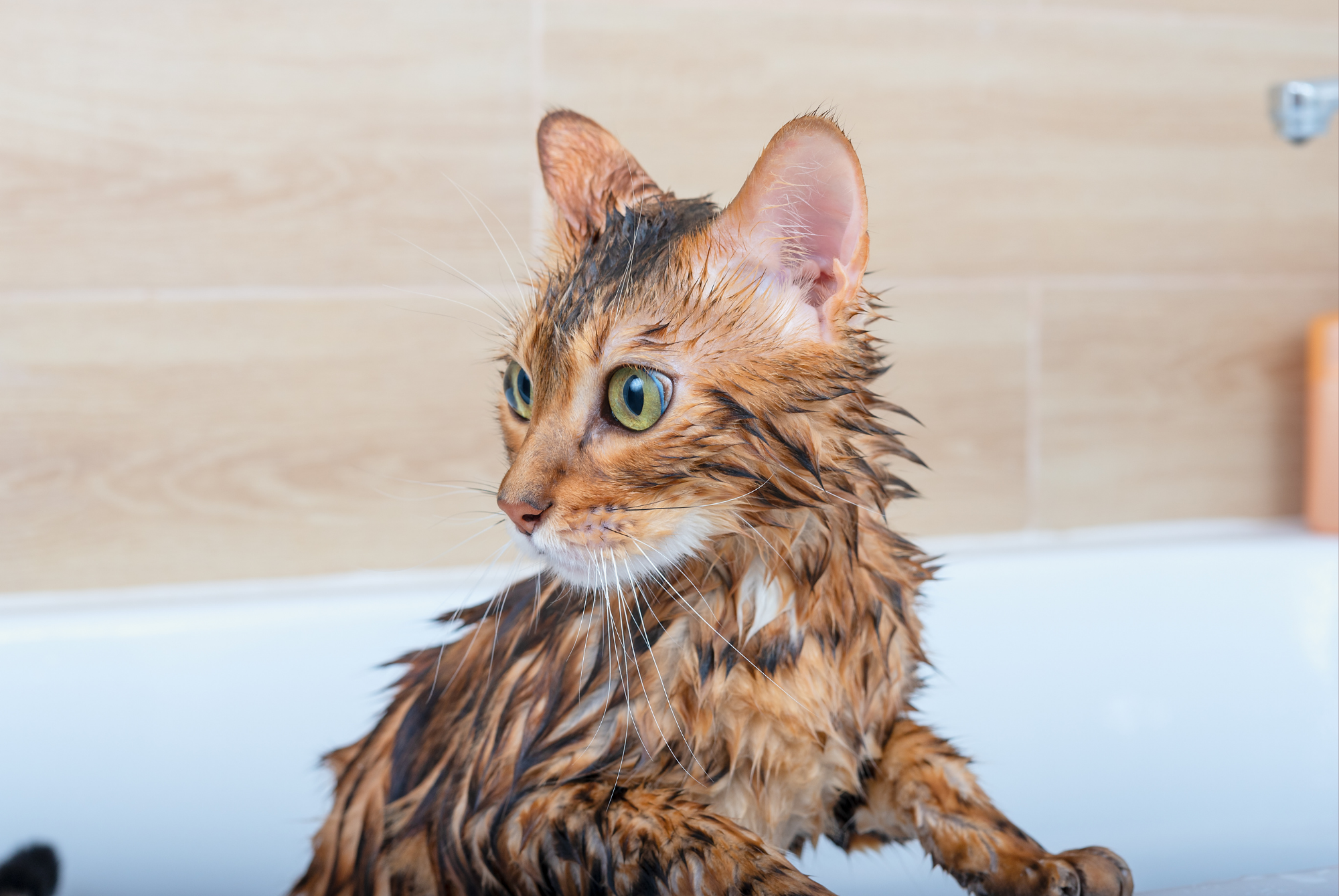
Bathing can also help remove allergens from a pet's coat.
For dogs, regular bathing can help wash away dander, saliva, and other material sitting on the skin and fur. However, bathing too frequently can irritate the skin or strip away natural oils, so the right schedule depends on the individual dog.
Cats are a different story.
Most healthy cats don't need regular baths because they are naturally excellent groomers. In fact, frequent bathing can be stressful for many cats.
For both cats and dogs, it's best to talk with your veterinarian if you're unsure how often your pet should be bathed.
And remember:
A bath reduces what is currently on the coat. It doesn't permanently stop allergen production.
Grooming Is Only One Part of the Allergy Puzzle
This is where many allergy-management plans fall short.
You can brush your pet every day and still have allergens throughout your home.
Why?
Because once allergens leave the coat, they don't simply disappear.
They can end up on:
- Furniture: Couches, chairs, and upholstered surfaces can collect pet hair and allergen-containing particles.
- Bedding: If your pet sleeps with you, allergens can accumulate where you spend several hours every night.
- Clothing: Pet allergens can stick to clothes and travel with you throughout the house—and sometimes outside of it.
- Floors and carpets: Hair, dander, and dust can accumulate in areas where your pet spends a lot of time.
- Air: Small allergen-containing particles can become airborne and circulate throughout indoor spaces.
That means grooming works best when it's combined with environmental control.
5 Ways to Make Grooming More Allergy-Friendly
If you have allergies but aren't willing to give up your pet—and honestly, we get it—there are a few simple ways to make grooming more useful.
1. Brush consistently
Regular brushing keeps loose hair and dander from building up on the coat and falling onto the surfaces around your home.
2. Brush away from your main living spaces
Grooming outdoors or in a well-ventilated area helps keep the particles you disturb from settling into the rooms where you spend the most time.
3. Wash your hands afterward
Washing your hands and changing clothes after grooming helps prevent allergens from being carried back onto furniture or into your bedroom.
4. Wash pet bedding regularly
Your pet's bed can collect hair, skin flakes, saliva, and allergens, so washing it regularly helps keep that buildup under control.
5. Don't forget the environment
Regular vacuuming, cleaning soft surfaces, and using a HEPA air purifier can help reduce the amount of allergen circulating throughout your home. Environmental control is particularly important because allergens can remain on surfaces and in indoor dust even after the original source has moved elsewhere.
The Bottom Line
So, does brushing your pet help with allergies?
Yes—but think of it as allergen management, not an allergy cure.
Regular grooming can reduce loose hair, dander, and allergen-containing material on your pet's coat before it spreads throughout your home. But because pets continue to produce allergens, brushing alone usually isn't enough.
The most effective approach is usually a combination of strategies: regular grooming, cleaning, washing pet bedding, managing indoor dust, and reducing allergen buildup on the surfaces where you and your pet spend the most time.
Because when it comes to pet allergies, the goal isn't necessarily to make your pet disappear from your environment.
It's to make the environment easier to share.