The Lucrative Lifeline: How Big Pharma and Medicine Profit from Pushing Allergy Shots for Cat and Dust Allergies

For the tens of millions of Americans suffering from cat or dust mite allergies, the standard recommendation from many allergists is clear: commit to allergy shots (subcutaneous immunotherapy). Often presented as the gold-standard “cure,” this treatment is widely promoted even as newer, more effective options exist. The reason is simple: the medical and pharmaceutical industries benefit financially from a multi-year process that guarantees recurring appointments, treatments, and prescriptions.
Allergy shots are far from a quick fix. Treatment typically begins with a build-up phase involving weekly injections for 3–6 months or more. This increases the allergen dose gradually, followed by a maintenance phase of monthly shots that often lasts 3–5 years. Patients may see partial improvement after 6–12 months, but full commitment to the entire multi-year protocol is required of course.
The costs accumulate quickly. Even with insurance, patients often spend $1,000–$4,000 per year in copays, office visits, and administration fees. Individual visits can cost $20–$100, and patients must remain at the clinic for 20–30 minutes after each injection to monitor for reactions. Total costs can easily exceed $20,000. Allergists bill for each visit and monitoring visit while earning pharmaceutical supply support from the companies that manufacture the allergen extracts used in shots.
Another reality patients often discover is that allergy shots rarely eliminate the need for medication right away. Many people continue taking daily antihistamines while waiting for shots to take effect — adding a 3–5 year window of dual spending on both shots and ongoing medications. Pharmaceutical companies benefit from both sides of this equation.

These medications can also come with side effects. Drowsiness, dry mouth, cognitive fog, and digestive issues are commonly reported. Long-term use has also been associated in some studies with increased dementia risk. Yet these risks are rarely discussed proactively during the initial consultation where shots are recommended.
Cat and dust allergies create an especially difficult situation because the triggers are hard to avoid. Pets and household dust are part of daily life, which means symptoms can persist for years — even decades, routinely driving patients back to allergists and keeping them on long-term treatment plans.
However, new technologies are beginning to change how allergies are managed. Instead of focusing only on suppressing symptoms, some solutions target the allergens themselves.
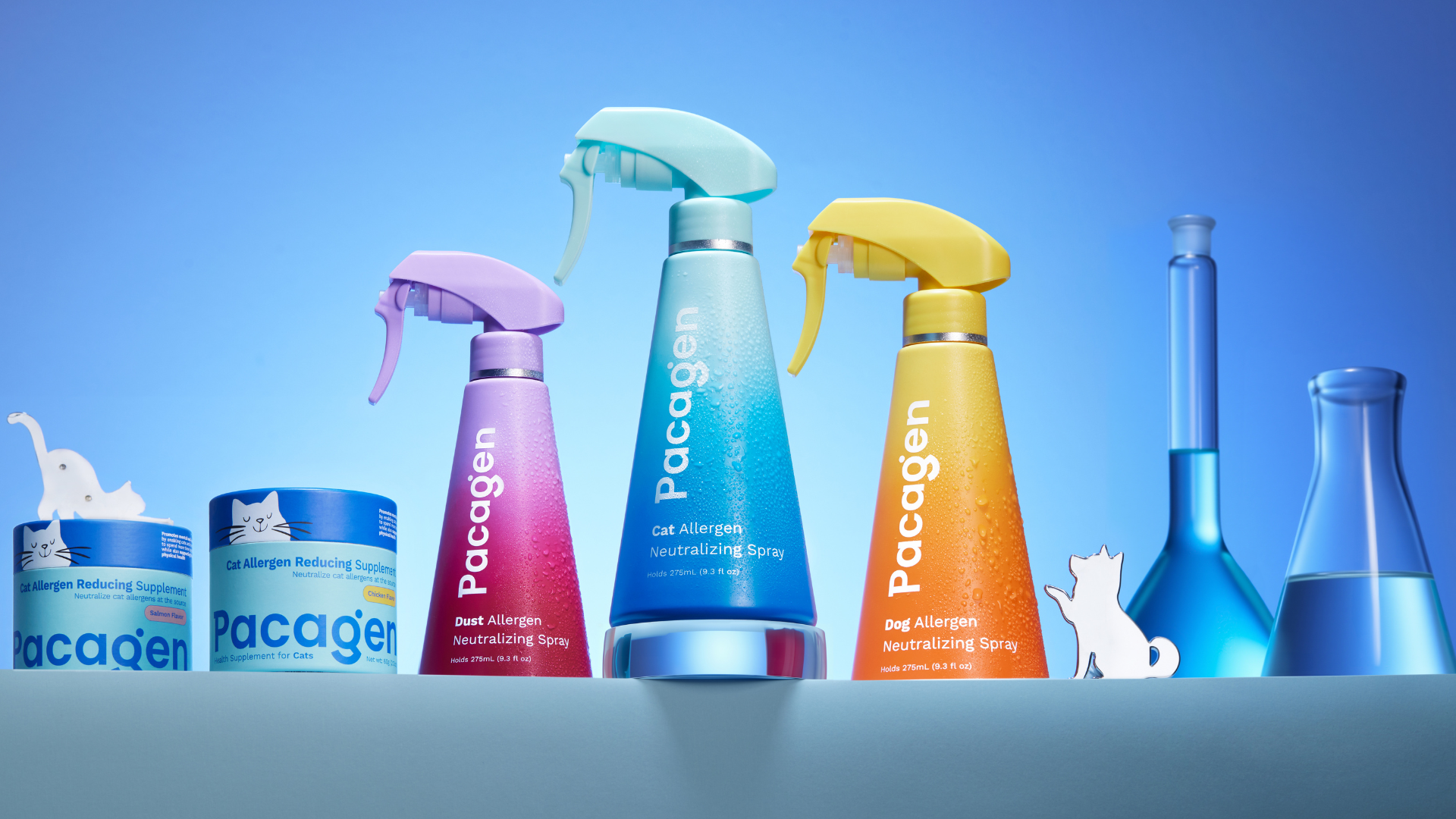
Pacagen, which has been available for about two years, uses biotechnology designed to bind and neutralize cat and dust allergens directly. The company offers sprays that neutralize allergens on fabrics and in the air, as well as a cat food supplement that reduces allergens in a cat’s saliva. By targeting allergens at the source, Pacagen offers cat owners another way to manage allergies without relying solely on long-term pharmaceutical treatments.
"As someone whose cat allergy worsened very suddenly, I am so grateful for a solution that allows me to love my cats"
- Eri N., Verified Customer